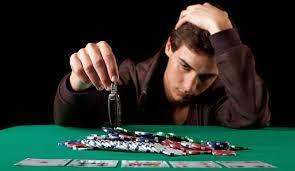
At the beginning, gambling rarely feels serious.
A person may play a simple game once in a while. Maybe it happens during a fun night out. Maybe it starts with a few dollars on a sports bet, a mobile game, or a visit to a casino during a vacation.
It feels light. It feels harmless. It feels like something small that can be picked up and dropped whenever someone wants.
And sometimes that is exactly what happens.
But sometimes something quieter begins.
The game slowly returns.
Not all at once. Not dramatically. More like rain slowly darkening a stone step. A little today. A little next week. Then again the week after that.
Over time, what once felt occasional begins to feel familiar. And what feels familiar often becomes routine.
That is how habits form.
They rarely arrive with a loud warning. They build slowly through repetition, emotion, and reward.
Gambling habits often grow in that same quiet way.
It Begins With Small Rewards and Repeated Moments
Most habits begin because something feels good.
The reward does not have to be huge. Even small bursts of pleasure are enough for the brain to pay attention.
Gambling provides those emotional sparks very easily.
- There is suspense before the result
- Hope while waiting
- A rush when something goes well
- Excitement even during a near win
The entire experience creates emotion, and emotion helps memory stick.
Researchers studying gambling behavior have found that near wins can activate the same reward pathways in the brain as actual wins. That means the brain can treat an “almost” moment as meaningful progress, even when money was lost.
The brain quietly notices that feeling.
It essentially says:
“That was interesting. Let us remember it.”
Then the person plays again.
Over time, the brain starts expecting that gambling might bring excitement, relief, or fun again.
Sometimes the anticipation becomes just as powerful as the reward itself.

Short play cycles keep the brain engaged. Each spin or bet happens quickly, which encourages repeated action.
What Research Says About Gambling Habits
Studies on gambling behavior show how common repeated play can become.
- Surveys in several countries suggest around 40% to 80% of adults gamble at least once per year.
- Research estimates that about 1% to 3% of adults develop problem gambling behaviors.
- Many more people experience periods of habitual or frequent gambling without reaching severe addiction.
Psychologists often compare gambling habit formation to other behaviors driven by variable rewards, such as social media notifications or video games.
The brain becomes interested because the reward is unpredictable.
And unpredictable rewards are powerful.
What Real Players Say
Comments from real gamblers often reveal how quietly habits can grow.
One player wrote online:
“It started with just watching sports and putting a small bet on the game. Then it became something I did every weekend without thinking.”
Another player described the moment they noticed the pattern:
“I realized I opened the betting app every night before bed. It wasn’t planned. It just became automatic.”
These experiences highlight something important.
Habit formation rarely feels dramatic.
It feels normal.
The Brain Starts Connecting Gambling to Feelings and Situations
Once a behavior repeats enough times, it begins attaching itself to certain moods, places, or situations.
This is when habits become stronger.
For example:
- Stress → gamble to relax
- Boredom → gamble to feel excitement
- Celebration → gamble to enhance the moment
- Payday → gamble as a routine reward
Over time the brain builds shortcuts.
Stress appears.
The brain suggests gambling.
Boredom appears.
The brain suggests gambling again.
This process is similar to how other habits work, such as reaching for a phone when notifications appear or snacking while watching television.
Example
Imagine someone who plays online games every Friday after work.
At first, it happens randomly.
But after several weeks, Friday evening itself becomes the trigger. The brain expects gambling because the situation has been repeated many times.
Eventually the behavior begins to feel automatic.
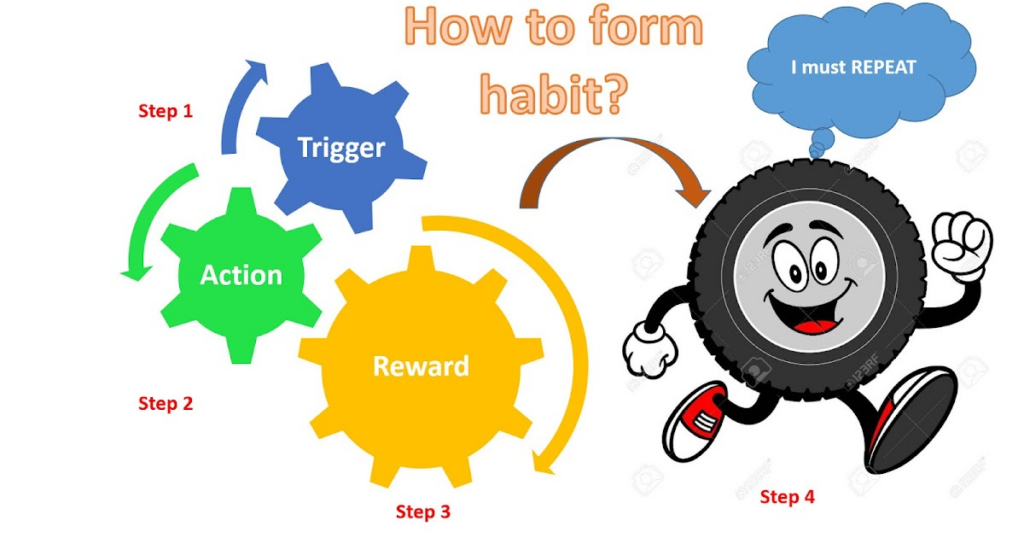
Apps, betting slips, and casino environments can act as cues that trigger the urge to gamble.
Why Unpredictable Rewards Make Habits Stronger
One factor makes gambling habits especially sticky.
The reward is unpredictable.
Sometimes the player wins.
Sometimes they lose.
Sometimes they almost win.
This pattern is called variable reinforcement, and psychologists have long known it is one of the strongest drivers of habit formation.
Think of it like waiting for a knock at the door that comes randomly.
You keep listening because you never know when it will happen.
That uncertainty keeps attention locked in.
The brain stays curious, hopeful, and alert for the next possible reward.
When a Habit Starts to Feel Normal
Once a habit has been around long enough, it stops feeling unusual.
It begins to feel like part of everyday life.
A person may think:
“This is just something I do.”
At this stage, the behavior blends into normal routines like checking messages or drinking morning coffee.
This is why gambling habits can grow quietly.
A person may still work, socialize, and manage daily responsibilities. But beneath the surface, the habit may already be shaping time, emotions, and spending.
Signs of this shift might include:
- Thinking about gambling more often
- Planning time around it
- Feeling restless when unable to play
- Using gambling to cope with emotions
Because the change happens gradually, it can be difficult to notice.
A sudden storm gets attention.
A slow fog does not.
The Quiet Truth About Habit Formation
Not everyone who gambles develops a strong habit.
Many people keep it occasional and controlled. Many stop easily.
But when gambling mixes with repetition, emotional triggers, and unpredictable rewards, the path toward habit becomes easier to walk.
In the end, gambling becomes a habit the same way many human routines do.
One repeated action.
One remembered feeling.
One familiar moment at a time.
A habit is rarely built in one night.
It is built in many small returns, each one teaching the brain, quietly and steadily, to come back again.