Some parts of life feel ordinary.
You pour a glass of water. You tie your shoes. You walk to the store. Your brain stays fairly calm because it already knows what comes next.
But gambling feels different.
The moment money is on the line, the atmosphere changes. Your chest tightens a little. Your attention sharpens. Even a quiet room can suddenly feel full of tension. And that feeling is not only about winning money. It is about waiting. It is about uncertainty. It is about that small flash of possibility that says, maybe this time.
That excitement is not random.
When people gamble, the brain becomes highly active in systems related to reward, surprise, anticipation, risk, and emotional learning. Research shows that uncertainty itself can strongly engage dopamine related reward circuits, and near misses can activate parts of the brain that normally respond to actual wins.
That is why gambling can feel thrilling even before anything has been won.
Your Brain Reacts to the Possibility of Reward
One of the biggest reasons gambling feels exciting is that the brain does not wait for the reward to arrive.
It starts reacting to the possibility of reward.
Scientists studying reward systems have found that dopamine neurons respond strongly not just to rewards, but also to reward probability and uncertainty. In gambling, that matters a lot, because the brain is not dealing with a guaranteed result. It is dealing with a maybe.
That uncertainty creates suspense.
A person holding a lottery ticket has not won anything yet. A slot player waiting for the reels to stop has not seen the outcome yet. But the brain is already active, already leaning forward, already preparing for a possible good result.
This is why gambling can feel exciting during the waiting part, not just after a win.
Example
Think about these two situations:
- Someone is handed $20 with no suspense.
- Someone bets $1 on a spin that could become $20.
The second situation often feels more intense, even though the amount is the same. That is because uncertainty energizes attention and expectation.

Dopamine Is Part of the Story, But Not in the Simple Way People Think
Many people hear the word dopamine and assume it simply means pleasure.
The reality is more interesting.
Dopamine is deeply involved in motivation, reward learning, and anticipation. In gambling research, scientists have noted that uncertainty can activate dopamine signaling in especially powerful ways. Some reviews even suggest that the addictive pull of gambling may be partly explained by reward uncertainty and the way it drives repeated anticipation.
So the brain is not only saying, “Winning feels good.”
It is also saying, “Pay attention. Something important might happen.”
That is why players often feel:
- more alert
- more emotionally invested
- more focused on small details
- more eager to try again
Near Misses Can Feel Strangely Powerful
One of the most fascinating parts of gambling psychology is the near miss effect.
A near miss is when the result comes very close to a win but does not fully get there.
Examples include:
- two jackpot symbols landing, with the third just above the payline
- your roulette number landing right next to the winning slot
- needing one more matching card to complete a big hand
Logically, a near miss is still a loss.
But the brain often does not treat it like an ordinary loss.
A major neuroscience study found that near misses enhance motivation to gamble and recruit win related brain circuitry, even though there is no monetary reward.
That helps explain why players often feel unusually energized after “almost winning.”
A Quote From Gambling Research
“Near-misses invigorate gambling through the anomalous recruitment of reward circuitry.”
That sentence captures something many players recognize instantly. A close loss often does not feel neutral. It feels dramatic. It feels personal. And it can make the next round feel even more tempting.
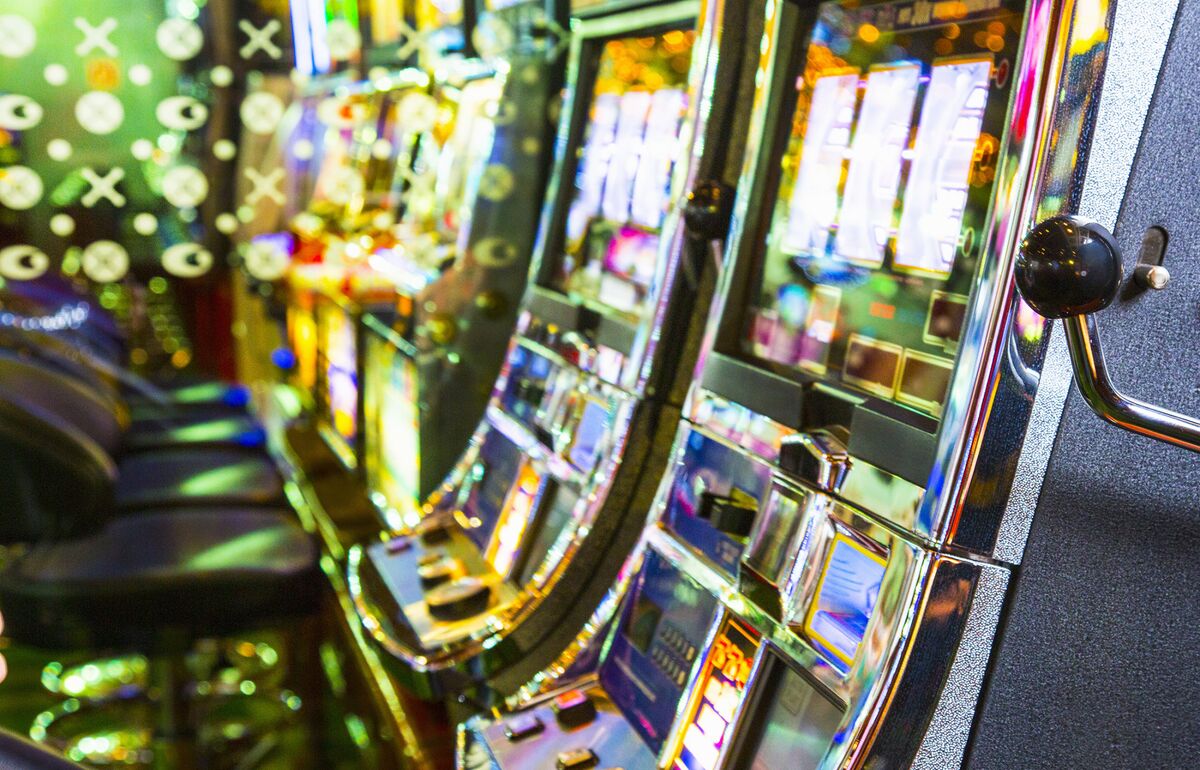
A near miss can make results feel emotionally charged, even when the outcome is still a loss. The brain often reads “almost” as meaningful, which can increase the urge to continue.
Surprise and Unpredictability Keep the Mind Hooked
If gambling outcomes were fully predictable, most of the excitement would disappear.
Imagine a slot machine that showed the result before you pressed the button. The emotional spark would vanish.
What keeps the brain interested is unpredictability.
Research on gambling behavior consistently points to the interaction between cognition and emotion in uncertain situations. Gambling creates a repeated cycle of suspense, outcome, reaction, and renewed expectation.
That cycle can become very gripping because the brain loves trying to answer unanswered questions.
Will the card be the one you need?
Will the roulette ball land on your number?
Will the last reel complete the line?
The brain becomes highly engaged because the answer is not known yet.
Real Comments From Players
Real player comments online often describe the same emotional pattern again and again.
One player wrote:
“The most exciting part is the second before the reels stop.”
Another said:
“It is not even about the money sometimes. It is the feeling that something big could happen right now.”
These comments match what neuroscience suggests. The emotional peak often comes from anticipation, not just reward.
The Brain Looks for Patterns, Even in Randomness
Humans are natural pattern seekers.
That is useful in many parts of life, but in gambling it can create illusions. People start feeling that a machine is hot, a table is cold, or that a win is “due.”
Research on gambling decision making has shown that players often overestimate their chances because of cognitive distortions and emotionally driven beliefs.
This is where the tug of war begins:
- Math says each spin or hand is often independent.
- Emotion says the current moment feels connected to the last one.
This is why a person may believe:
- “I have been losing, so a win must be close.”
- “I was so close, the next one should hit.”
- “This machine is warming up.”
But the game’s probabilities stay calm, even when the player’s emotions do not.
Some Important Stats That Put It in Perspective
A few useful facts help explain why gambling can feel so intense:
- A 2009 neuroscience paper on near misses has been cited hundreds of times in later research, showing how central this effect is to gambling psychology.
- Reviews of gambling disorder consistently point to the mesolimbic reward system and dopamine related processes as major parts of the brain’s response to gambling.
- Recent research in 2024 still highlights near wins as triggers for excitement, anticipation, and continued play, showing this is not an old theory that disappeared.
These findings matter because they show that the excitement of gambling is not just a vague feeling. It has measurable psychological and neurological roots.
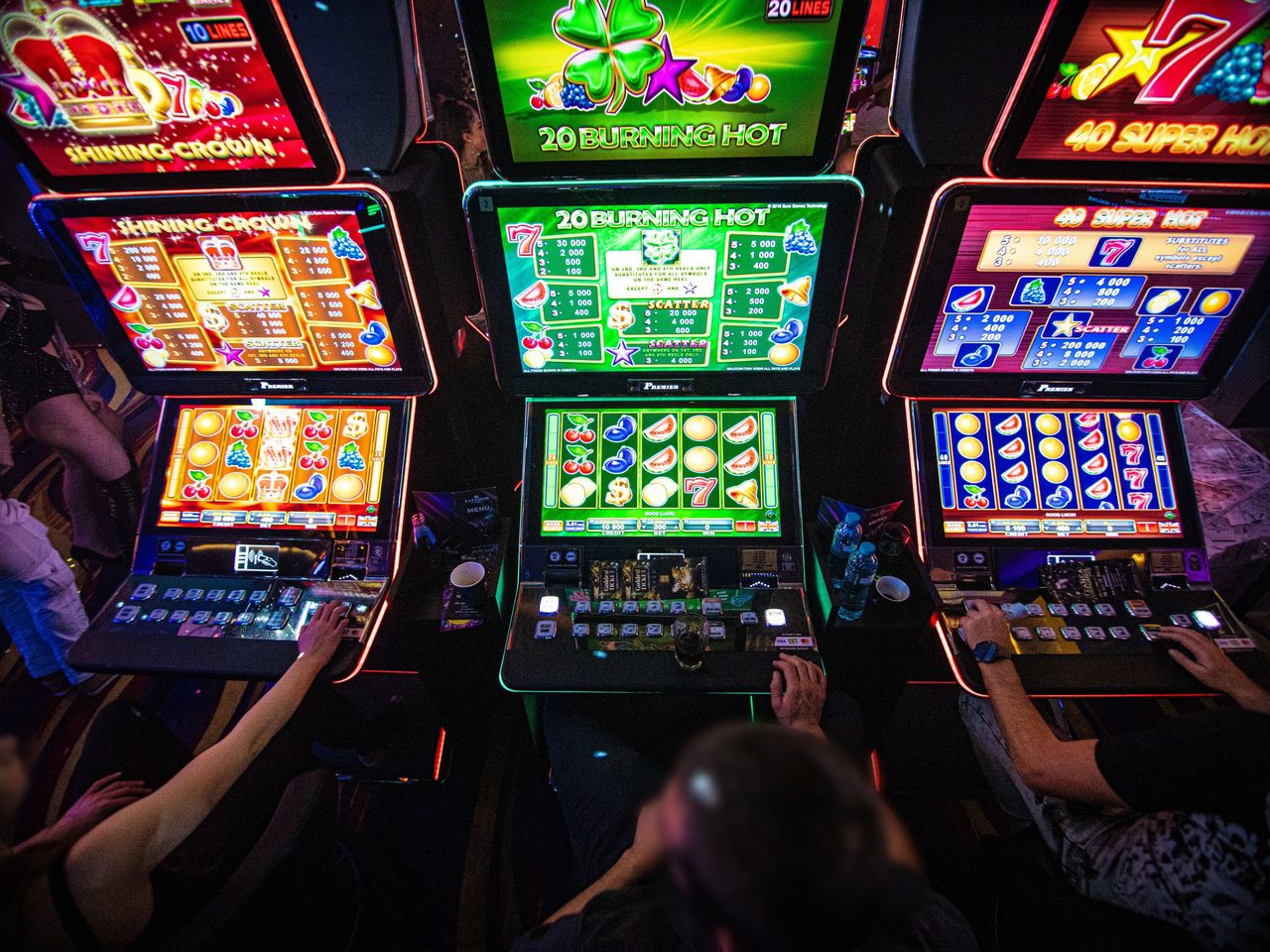
The Environment Also Shapes Excitement
The lights, sounds, motion, and speed of modern casino games can intensify emotional responses and keep the brain focused on the next possible reward.
Why Emotion Can Become Stronger Than Logic
This is the most human part of the story.
People like to think they make decisions calmly. Sometimes they do. But in exciting moments, emotion can move faster than logic.
Gambling compresses money, uncertainty, attention, reward, and hope into a very short period of time. That makes it especially powerful.
A player may remember one big win very clearly and forget ten smaller losses. A near miss may feel more meaningful than it really is. A losing streak may make the next bet feel more urgent, even though the underlying probabilities have not changed.
This does not mean the person is foolish.
It means the person has a human brain.
A Good Way to Understand It
At its core, gambling excitement comes from a brain doing exactly what it was built to do:
- notice uncertainty
- react to possible rewards
- remember emotionally intense moments
- search for patterns
- lean toward hope when outcomes are unclear
So when someone asks why gambling feels so exciting, the answer is not just money.
It is the waiting.
It is the uncertainty.
It is the surprise.
It is the near miss.
It is the flash of possibility.
It is the brain lighting up at the thought that something important might happen in the very next second.
And sometimes, that tiny word maybe is powerful enough to keep a person leaning forward, eyes fixed, heart alert, waiting for the answer.