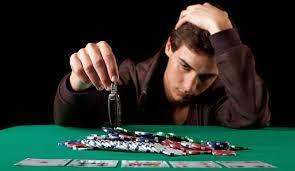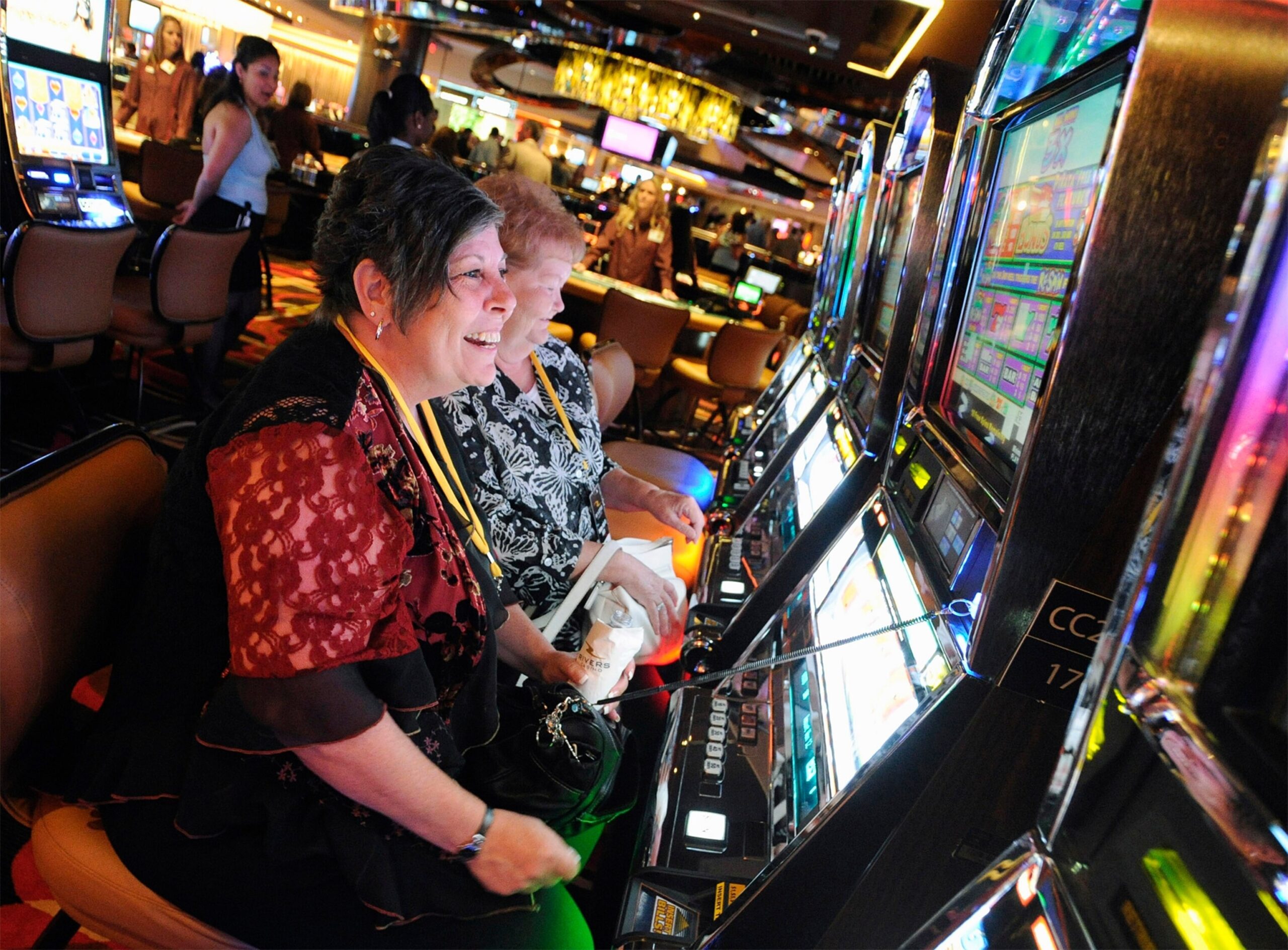
Many people believe gambling decisions are always logical. They imagine players calmly studying the game, placing careful bets, and accepting the results without much emotion.
Real life often looks very different.
A player may start with a small bet on Roulette, a few spins on a Slot Machine, or a modest hand in Blackjack. The risk feels tiny. It feels like a simple experiment.
Then something happens.
The player loses.
At first the loss seems small, almost insignificant. But inside the player’s mind, a quiet thought begins to form:
“Maybe the next round will win.”
That simple thought can slowly change behavior. What begins as a small loss sometimes leads to a larger bet, and occasionally an even bigger one.
To understand why this happens, we need to look at what is happening inside the human mind during losing moments.
The First Loss Feels Easy to Ignore
When someone loses a small bet, the brain often reacts calmly.
People frequently say things like:
- “It’s only a small amount.”
- “It’s just the cost of entertainment.”
This thought helps players move past the loss quickly. But it also creates a subtle motivation to balance the loss.
Humans naturally prefer balance. When something feels uneven, we instinctively try to correct it.
Example
A player loses $5 on a slot machine.
The next spin doesn’t feel like taking a new risk. Instead, it feels like fixing the previous loss.
Psychologists often call this the loss recovery mindset. Instead of viewing each bet independently, players begin linking bets together.
That mental shift is small but powerful.
The player is no longer just playing.
They are trying to repair something.
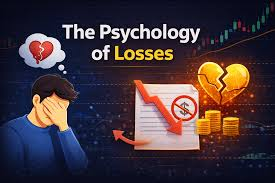
Small losses may look harmless, but they can slowly change how players think about the next bet.
The Mind Begins Chasing the Loss
If losses continue, the emotional tone changes.
A relaxed player may begin to feel slightly tense. The brain starts searching for a way to escape the losing streak.
One of the most common reactions is increasing the bet size.
The logic seems simple:
“If I win one bigger bet, I can recover everything.”
Example
Imagine a player loses $10 across several rounds.
The next thought might be:
“If I bet $20 and win, I’ll be back to normal.”
This thinking is extremely common. Researchers studying gambling behavior call it loss chasing.
According to behavioral research, roughly 30% to 40% of regular gamblers report chasing losses at some point, especially during losing streaks.
The important detail is that the probability of the game has not changed.
The roulette wheel still has the same numbers.
The cards still follow the same odds.
The slot machine still runs on the same programmed system.
But emotionally, the player feels pressure to recover quickly.
What Real Players Say
Comments from gambling forums show how common this experience is.
One player wrote:
“I started with a small bet just for fun. After a few losses I thought one bigger bet would fix everything.”
Another player shared:
“The worst part isn’t losing. It’s the feeling that you’re one win away from getting it all back.”
These comments highlight a powerful psychological trap: the belief that the next win will reset everything.
Sometimes it does.
And when it does, the emotional reward feels huge.
But when the bigger bet loses, the situation becomes more difficult.
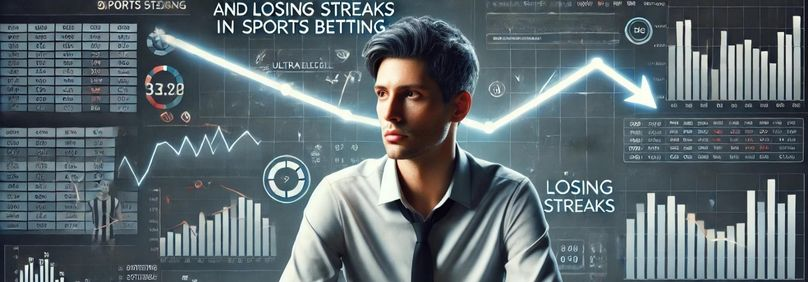
Increasing bet size during losing streaks is one of the most common behavioral patterns in gambling psychology.
Why Bigger Bets Start to Feel Reasonable
As losses grow, thinking often shifts again.
What once felt like entertainment now feels like a problem that needs solving.
At this point, players often believe larger bets are necessary because smaller bets cannot recover losses quickly.
The internal logic becomes:
- Small bets will take too long.
- One big win could fix everything.
This is where emotion begins to overpower logic.
Hope mixes with frustration. Players remember past wins and imagine another big moment arriving soon.
A gambling researcher once summarized this behavior clearly:
“Loss chasing is not about probability. It’s about the emotional desire to restore balance.”
This emotional desire can be very powerful.
Why the Cycle Continues
Several psychological forces combine to push bets higher during losing streaks.
1. Loss aversion
People feel the pain of losing money about twice as strongly as the pleasure of winning the same amount.
This imbalance makes recovery feel urgent.
2. The gambler’s fallacy
Players may believe a win is “due” after many losses, even though each round is independent.
3. Memory bias
Wins are remembered clearly, while losses fade more quickly.
This makes recovery stories feel more common than they actually are.
What the Math Says
Games of chance do not respond to past results.
Every new round begins fresh.
For example:
| Game | Typical House Edge |
|---|---|
| Blackjack (optimal strategy) | ~0.5% |
| Roulette (European) | 2.7% |
| Slot machines | 2%–10% |
These odds remain stable no matter how much a player has lost before.
The system does not try to “balance” earlier losses.
The Important Truth About Small Losses
The story of small losses turning into larger bets is really a story about human psychology.
Numbers stay calm and consistent.
But emotions move quickly.
A small loss can feel like something that needs fixing. That feeling can push players to bet more than they originally planned.
Understanding this emotional pull is one of the most valuable skills any player can develop.
Because when people recognize that moment—the moment when a small loss begins to grow—they gain the ability to pause and choose differently.
Sometimes the smartest decision in any game is not the next bet.
Sometimes it is simply knowing when enough is enough.