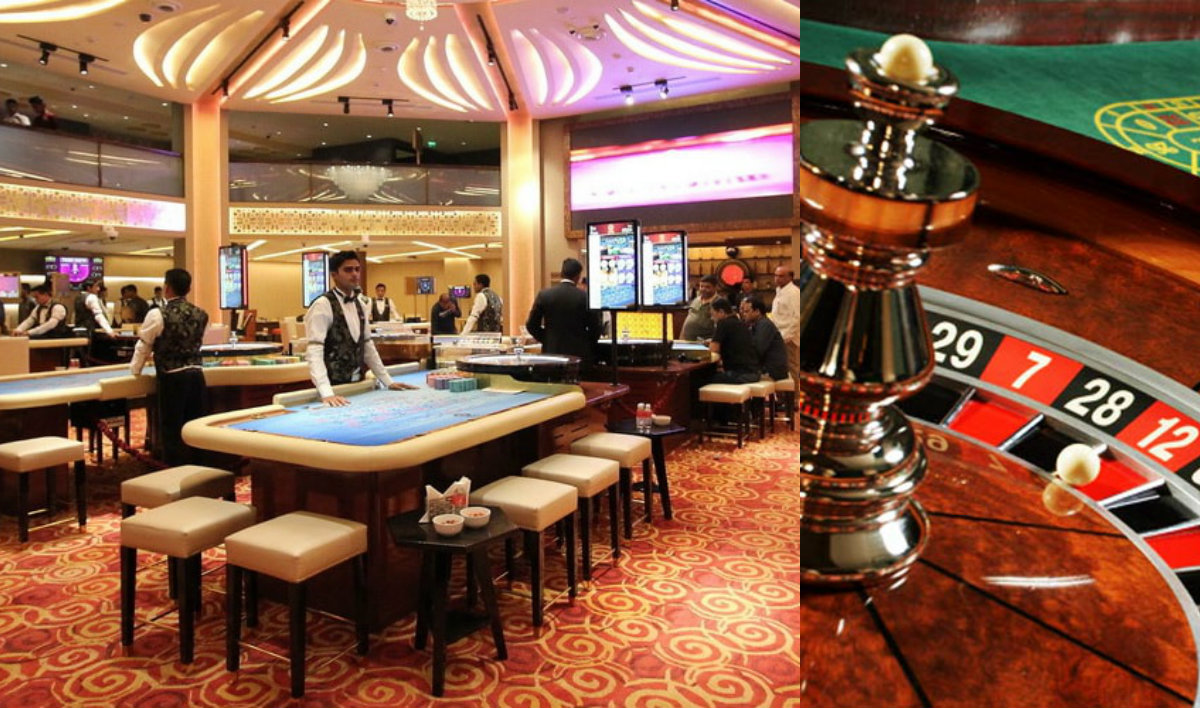
There is something deeply human about wanting control.
A child blows on dice before rolling them. A player taps the slot button in a special rhythm. Someone else chooses the same lucky number every week and trusts it like an old friend.
From the outside, these habits can look irrational. But they are not really foolish. They come from the way the human mind is built.
We search for patterns. We prefer order over chaos. We want to believe our choices matter.
That is why random games can feel so deceptive. Even when a game is driven entirely by chance, many players still feel they can influence the outcome a little. Not completely. Just enough to make a difference.
This is where the real story begins.
Mathematics says one thing. The human mind says another.
And when those two meet, belief often feels stronger than logic.
The Brain Is Built to Find Patterns
The human brain is a pattern-detection machine. That ability helps us recognize faces, understand language, predict danger, and navigate daily life.
Most of the time, this skill is useful.
But in gambling, it can become misleading.
If a roulette wheel lands on red several times in a row, many players start telling themselves a story. Some think black is now “due.” Others believe red is “hot” and likely to continue.
In reality, the wheel does not care.
A fair roulette wheel has no memory. Each spin is independent from the last one. That is one reason psychologists study the illusion of control so closely in gambling behavior. Research reviewing this idea traces it back to classic work showing that people often act as if they can influence chance-based outcomes even when they cannot.
This pattern-seeking urge is also connected to the gambler’s fallacy, the belief that past random events change future odds. Neuroscience reviews note that this distortion appears when emotional decision-making starts overpowering statistical reasoning.
Example
A roulette wheel lands on black 6 times in a row.
Many players immediately react in one of two ways:
- “Red has to come next.”
- “Black is hot. Stay with black.”
Both reactions feel logical in the moment. But mathematically, the next spin remains independent.
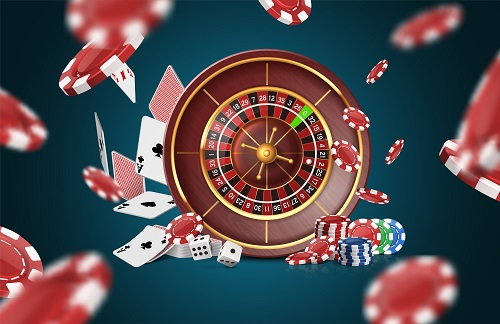
A roulette wheel is one of the clearest examples of why players feel patterns that are not really there. Streaks happen naturally in random systems.
The Illusion of Control Feels Real Because It Feels Useful
The belief that someone can influence a random result has a name in psychology: illusion of control.
Researchers describe it as the tendency to overestimate personal influence over outcomes that are actually determined by chance.
This belief shows up in many ways:
- choosing “lucky” numbers
- pressing buttons in a certain way
- sitting in the same chair
- waiting for the “right moment” to spin
- asking a “lucky person” to place the bet
In fact, newer research even describes illusion of control by proxy, where people feel more confident if a supposedly lucky person acts for them.
These rituals do not change the math of the game. But they do change how the player feels.
That feeling matters.
Rituals reduce anxiety. They create a sense of order. They make uncertainty feel more manageable.
That is why players keep them.
Why Near Misses Feel So Powerful
One of the strongest reasons players think they are getting “close” to controlling a game is the near miss effect.
A near miss happens when the result looks almost like a win.
For example:
- a slot shows two jackpot symbols and the third stops just above the payline
- a roulette ball bounces near the chosen number before landing elsewhere
- a sports bet fails by one point
To the math, a near miss is simply a loss.
To the brain, it feels different.
A highly cited study found that near misses can increase motivation to keep playing, and earlier work reported that moderate near-miss frequencies around 30% can encourage gambling persistence in slot-machine simulations.
Other neuroscience studies found that near-miss events activate reward-related brain regions, especially in regular or more severe gamblers.
That helps explain why players often say things like:
“I was so close. The machine almost paid.”
But “almost” is not a category that matters to a random system. It matters only to human perception.
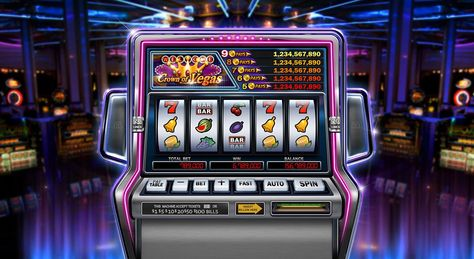
Near misses are one reason slot games feel more controllable than they really are. A result that looks close to a win can trigger stronger emotional reactions than an ordinary loss.
Real Comments From Players
You can see this belief in control clearly in public player discussions online.
Some common comments from real players include:
“I know it’s random, but I still feel like some machines pay better when you catch them at the right time.”
“I always use the same numbers. It probably means nothing, but I trust them more than random picks.”
“When I get a near miss, it honestly feels like I’m figuring the machine out.”
These comments are powerful because they show the gap between knowing something is random and feeling that control is possible.
That gap is where many gambling beliefs live.
Wins Get Remembered More Than Failures
Another reason the illusion stays strong is memory.
When a player follows a hunch and wins, the brain treats that moment as proof.
The thought becomes:
“I knew it.”
But when the same hunch fails 20 times, those failures usually do not shine as brightly in memory.
This is classic selective recall. Wins feel meaningful. Losses blend together.
That imbalance gives false confidence extra strength.
Example
A player changes slot machines because they “feel” the next one is ready.
- If they win soon after, the moment becomes memorable.
- If they lose, it often gets dismissed as bad timing.
The mind quietly keeps the evidence that supports belief and forgets much of the evidence that weakens it.
Why Casinos and Games Amplify This Feeling
Casino environments naturally make players feel more involved in the outcome.
Lights, sounds, pause timing, near misses, and button presses all increase a sense of participation.
Even when the result is fully random, the experience feels interactive.
That is important because the more involved players feel, the easier it is to confuse participation with influence.
A player may think:
- “I chose the exact moment.”
- “I followed the pattern.”
- “I sensed the streak.”
But none of those actions change the probabilities in a truly random game.
A Quote That Explains It Well
Psychologist Ellen Langer’s original work on the illusion of control became one of the foundations for understanding gambling distortions. Modern reviews still describe it as the tendency to behave as if chance outcomes can be personally influenced.
That is why this subject matters so much. It is not really about ignorance. It is about how the brain handles uncertainty.
The Belief Offers Comfort, Excitement, and Hope
So why does this belief survive even when people lose repeatedly?
Because it gives players three powerful emotional rewards.
Comfort
Randomness can feel cold and impersonal. Believing in lucky numbers or special timing makes uncertainty feel less empty.
Excitement
If choices seem meaningful, every decision feels bigger. The game becomes more dramatic.
Hope
The feeling of “maybe I’m learning it” keeps people engaged. It turns pure chance into a personal journey.
That is one reason gambling can feel so compelling. It does not only offer a prize. It offers the possibility of understanding something mysterious.
What the Math Actually Says
In a truly random game:
- no lucky tap changes the odds
- no favorite chair changes the probability
- no pattern spotted in past spins forces the next result
- no “hot machine” remembers what happened before
The hard truth is simple.
There is no hidden code to crack in a random system.
But there is also something freeing about that truth. Once players understand it, they can see the game more clearly for what it is: a blend of chance, entertainment, emotion, and uncertainty.
Final Thought
When players think they can control a random game, they are not just reacting to the game itself.
They are responding to something older and deeper inside human nature.
We want meaning. We want order. We want to feel that our choices matter in the middle of uncertainty.
That wish is not foolish.
It is human.
And that is exactly why random games can feel so personal, even when the math never changes.