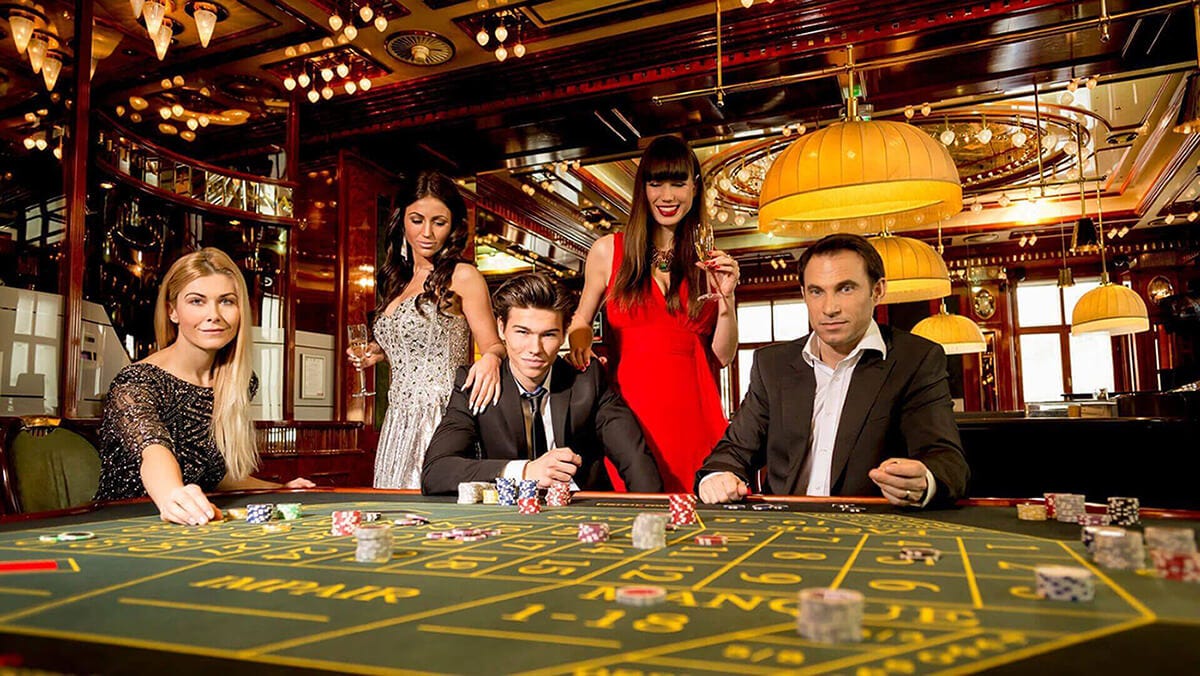
Have you ever walked into a place and felt like the outside world suddenly went quiet?
That is the feeling many people get inside a casino.
You step in, and something changes. The lights are warm. The room feels alive. Sounds come from every direction. Machines chirp, cards snap, people laugh, drinks arrive, and the space seems to keep moving without ever feeling rushed. A person may think they have been inside for twenty minutes, then discover that two or three hours are gone.
That does not happen by accident.
Casino environments are carefully designed to shape attention, emotion, and behavior. Research and industry commentary have repeatedly pointed to the same core ideas: casinos reduce obvious reminders of time, keep people mentally busy with short reward cycles, and create a smooth environment where leaving never feels urgent.
This is not magic. It is not a secret spell. It is a mix of architecture, sensory design, and human psychology working together in a very efficient way.
The Casino Pulls You Out of Ordinary Time
In daily life, people constantly get reminders that time is moving.
Sunlight changes. Phones buzz. Meetings start. Hunger builds. Streets get darker. Clocks appear in offices, kitchens, stores, and train stations. All of these cues help the brain keep track of the day.
Casinos often strip many of those cues away. Windows are limited or absent in many gaming spaces, and visible clocks are famously rare. Without daylight and easy time checks, people rely more on feeling than fact, and feeling is a poor timekeeper when attention is absorbed.
Former casino designer Bill Friedman became widely known for describing how gaming floors are built to maximize play through layout, visibility, and comfort. Many articles on casino design still reference those principles because they explain why gaming floors often feel like enclosed worlds rather than ordinary public rooms.
Example
A shopper in a grocery store knows when the trip is ending. They enter, collect what they need, and head to the checkout.
A casino works differently. One row of slot machines leads to another. A table game sits just beyond a bar. A lounge blends into the gaming floor. The entire space reduces natural stopping points, which makes it easier for a person to stay longer than planned.

A continuous casino layout can make the space feel like its own little world, with fewer visual reminders of how long someone has been inside.
Your Brain Stops Tracking Time When It Is Busy
Psychologists have long noted that people are not good at tracking time when they are deeply engaged. That is why a novel, a video game, or a close sports match can make an hour disappear.
Casinos use that same principle very effectively.
Games are built around short cycles. You place a bet. You wait. You get a result. Then another round begins almost immediately. That rhythm keeps the mind focused on the next outcome rather than the larger clock. Researchers studying slot machine play have found that casino sound, ambient stimulation, and continuous reward loops can alter perceptions of elapsed time and reduce reflective pauses between decisions.
A 2009 study on near misses found that moderate frequencies of near miss outcomes, around 30%, can encourage continued play on slot simulations. That matters because near wins do not just affect excitement. They also keep attention locked on what might happen next.
Example
A player tells themself they will play “just ten more minutes.”
But in practice, that does not feel like ten minutes. It feels like:
one more spin
one more hand
one more round
one more chance
That is how time gets broken into tiny, emotionally charged pieces.
Near Misses and Small Rewards Make the Clock Fade
One reason time disappears so easily in gambling spaces is that the brain is highly sensitive to uncertain rewards.
Slot machines and many digital gambling products create a sequence of anticipation, outcome, and reset. Even when the result is a loss, a near miss can still feel emotionally significant. Luke Clark’s influential research found that near misses activate reward related brain systems even though they are objectively losses. In plain language, the brain can treat “almost winning” as meaningful progress.
That psychological effect helps explain why players often remain absorbed longer than they expect.
“The worst part wasn’t the money. It was looking up and realizing I had no idea what time it was anymore.”
That kind of comment appears often in first person accounts on gambling forums and support discussions. The wording changes, but the feeling is similar: people are surprised less by the loss itself than by how completely the session swallowed their sense of time.
Another recurring player comment sounds like this:
“I kept saying one more spin because each spin felt tiny. Then the whole evening was gone.”
These comments ring true because casino time is not experienced in hours. It is experienced in rounds.
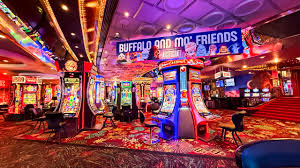
Fast game cycles make each decision feel small, even when many of those small decisions add up to a long session.
Comfort Helps the Mental Bubble Last Longer
There is also a softer side to this story.
People lose track of time more easily when they feel physically comfortable and emotionally settled. Casinos know this. Seating is cushioned. Temperature is controlled. Food and drinks are nearby. Staff interactions are smooth. Music fills silence. Lighting stays stable. The room does not push you out. It invites you to stay.
That matters because discomfort creates interruption. Comfort removes it.
Once the player is settled, emotion does the rest. Winning creates excitement. Losing creates determination. A near miss creates tension. A small bonus feature creates hope. Together these feelings keep attention in the present moment.
And the present moment is where time becomes slippery.
What the Numbers and Research Suggest
The broader picture around gambling behavior helps explain why casino design matters so much.
The National Council on Problem Gambling estimates the annual social cost of problem gambling in the United States at $14 billion. That figure includes healthcare, criminal justice costs, job loss, and bankruptcy related effects.
A large 2024 study analyzing 1,909,681 online gambling sessions from 15,544 individuals examined chasing behavior across real world play data, showing how strongly gambling sessions can be shaped by previous outcomes and by the urge to return after losses or wins.
A 2020 public survey in Singapore reported that 44% of residents aged 18 and above had participated in at least one form of gambling activity, and 89% of gamblers reported betting $100 or less per month. That is useful because it shows most gambling starts in ordinary, low stakes ways, not dramatic high roller behavior.
These numbers matter because losing track of time rarely begins as a big decision. It usually begins as a normal visit that quietly becomes a longer one.
Why the Experience Feels So Real
When people say casinos make them lose track of time, they are not imagining it.
The experience is real because three things are happening together:
The environment removes natural reminders such as daylight and visible clocks.
The games hold attention through fast, repeating cycles.
The emotional rhythm of hope, tension, comfort, and anticipation makes interruption less likely.
Psychologists sometimes call this kind of deep absorption flow or dissociation, depending on the context. The basic idea is simple: when attention narrows, awareness of everything else becomes weaker, including time.
That is the heart of it.
A casino does not stop the clock.
It simply gives your mind so many other things to notice that the clock slips out of view.
And by the time you think to look for it, the night may already be much older than you thought.